
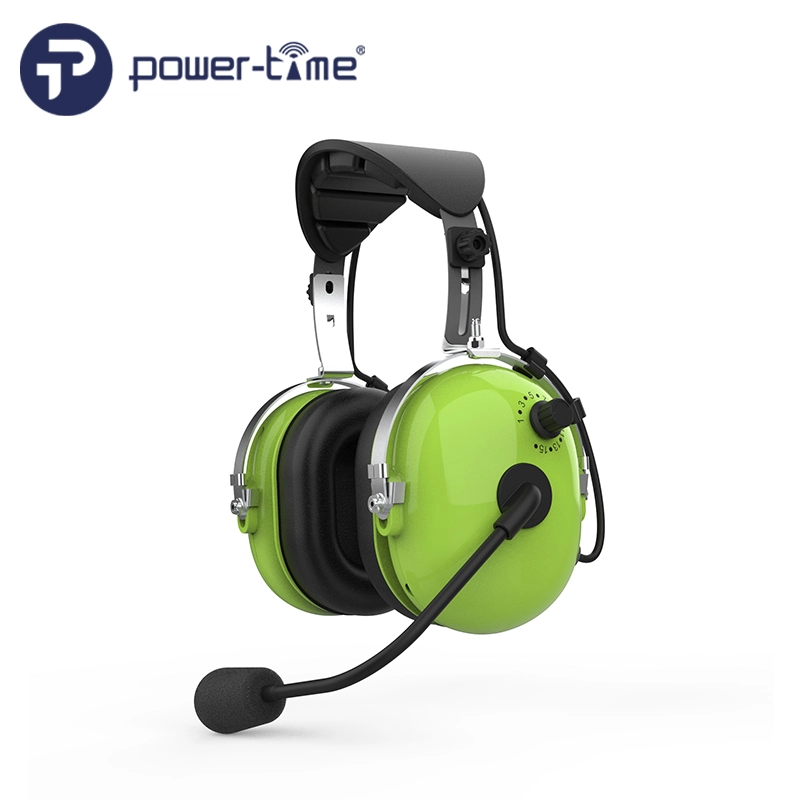
Full duplex Noise canceling wireless communication headset
Built-in radio full duplexNoise-canceling wireless communication headset for ground crew, sailors in airports, oil fields, shipyards, construction projects, etc
View productArmored vehicle crews do not run off-the-shelf audio. A custom headset is really a set of documented choices — microphone element, connector stack, shell protection level, liner and padding — and the PTE-746 CVC helmet headset already exposes most of those choices as selectable options. This guide walks each lever in turn, shows what the selection changes for the crew inside the vehicle, and closes with the exact information needed to price a customized headset program built in accordance with MIL-STD-810.
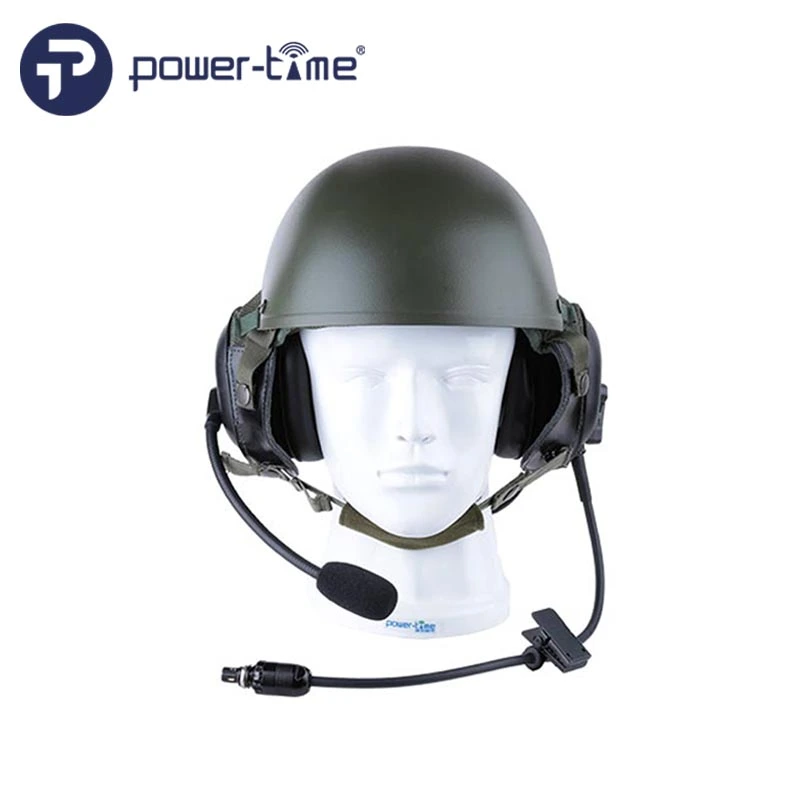
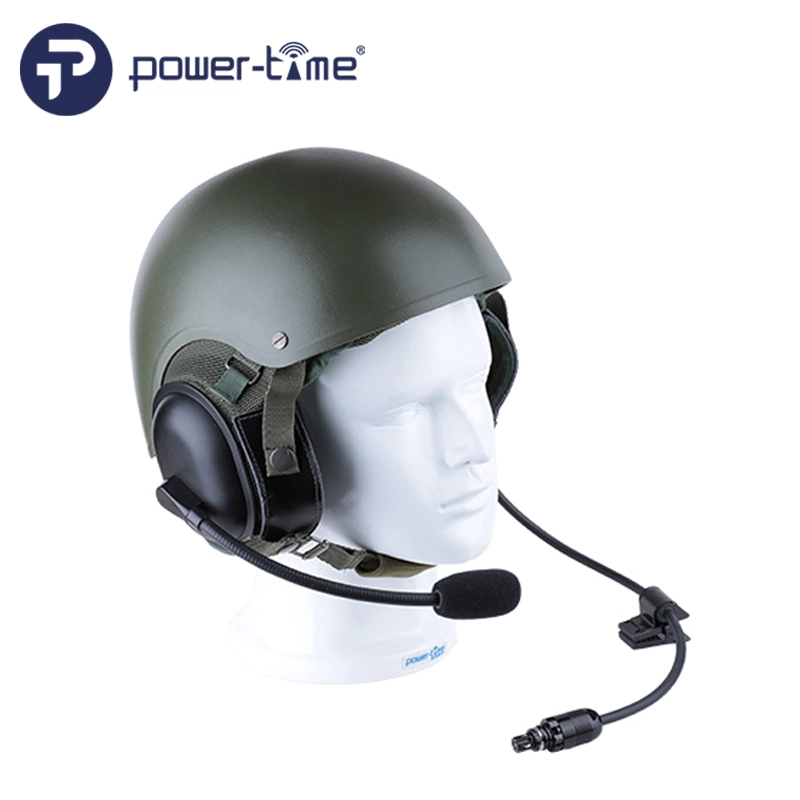
Every configuration described on this page is built on one platform — No. PTE-746, a CVC helmet headset with a dynamic flexible boom microphone, also described on the product page as the DH-132 Tactical Helmet Headset. DH-132 helmets are specially designed for use by personnel operating and manning military armored vehicles, and the named applications are military tanks, troop carriers, Stryker, LAV and Avenger vehicles.
Full-spectrum noise reduction, good speech intelligibility and a comfortable fit are the four performance traits the product page leads with — and they are the reason every lever below is worth specifying rather than defaulting.
Get The Latest QuoteRead this as a menu, not a datasheet. Each row is a decision your program has to make once, and each option value below is taken directly from the PTE-746 option list.
| Lever | Available options | Operational consequence |
|---|---|---|
| Microphone element & boom | Dynamic Noise canceling electret Flexible boom | The element sets how speech survives engine and track noise; the flexible boom positions it close to the mouth so full-spectrum noise reduction works from a clean signal. |
| Middle connectors | NEXUS AJ-107XL AP-107XL | Defines how the headset sits between the ear-cups and the communications kit or PTT your crews already field. |
| End connectors | U-229/U 5-pin × 2 ea | Two end connectors support the dual ear-cup layout and the rugged military-grade connection the platform is designed around for integration with established radios. |
| Lower plug (cordset) | AP-107XL | The last link before the radio or intercom — this is the plug to match against the vehicle harness on the drawing. |
| Communications kit | MK-1697/G Other optional kits | The kit bridges headset and platform intercom, so the vehicle dictates the kit rather than personal preference. |
| Outer shell material | Fiberglass (bump only) Ballistic V50 1400 fps Ballistic V50 2150 fps | The single largest trade-off on the page: bump-only saves weight, while the two ballistic levels add fragmentation protection at a cost in weight and comfort. |
| Shell size & color | Small Medium/Large Black · Green · Olive Drab · Desert Tan · Gray · Foliage Green | Size drives the physical fit over the crew member's head; color is a unit-standardization and inventory decision. The outer shell itself is optional. |
| Inner liner & padding | Small Medium/Large Impact foam skived for ventilation High-moisture / high-humidity resistant ventilated foam pads Fire-retardant liner | Sizing covers the 5th to 95th percentile; the padding choice follows climate and duty cycle, not personal taste. |
This is the lever armored vehicle programs argue about internally, because it is the only one that changes both the threat envelope and the weight a crew wears for an entire shift.
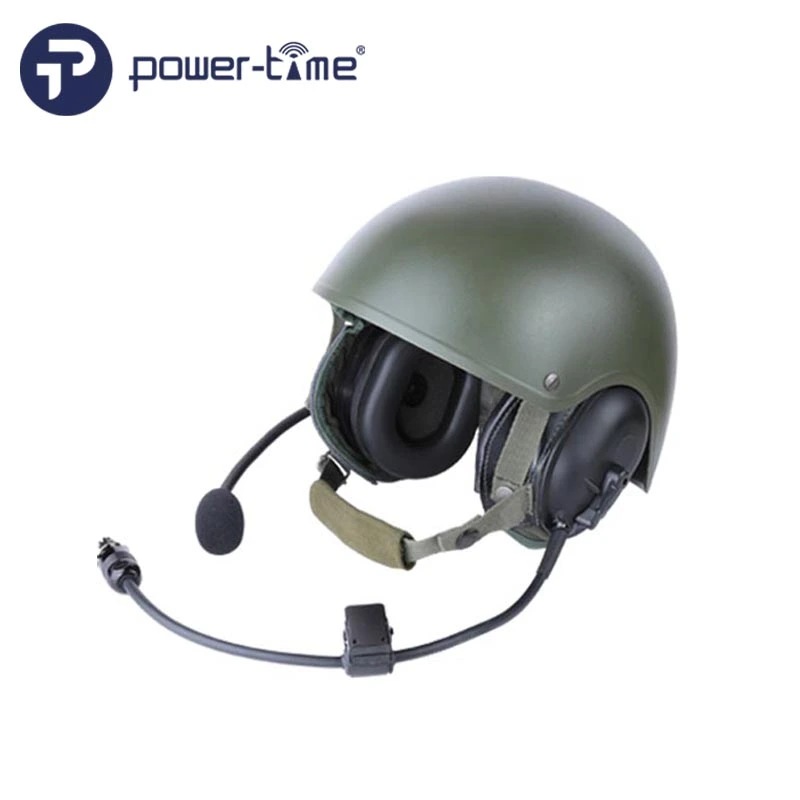
Protection scope: impact and bump protection only, with no fragmentation rating stated.
Specify it when: your threat assessment for the platform is genuinely bump-only, and crew comfort or total worn weight outranks ballistic protection.
Buyer decision: do not select this level simply because it is the lightest — select it because the fragmentation threat is out of scope.
Protection scope: ballistic protection rated at V50 1400 fps, per MIL Standard 662 using 17-grain fragmentation simulation.
Specify it when: fragmentation is a real threat but the program still needs headroom in weight and comfort across long mounted shifts.
Buyer decision: the middle level is where most mixed fleets land when one shell has to serve several vehicle types.
Protection scope: the highest of the three levels, rated at V50 2150 fps under the same MIL Standard 662 fragmentation basis.
Specify it when: the platform is expected to face the most demanding fragmentation threat in your fleet and protection outranks every other consideration.
Buyer decision: treat this as a written program decision, not a default upgrade.
The compatibility question behind most quote requests: will this headset plug into what we already own? The page lists one end-connector family and two middle-connector families, plus the AP-107XL lower plug on the cordset.
| Connector | Quantity & position | Role in the chain | What to confirm before quoting |
|---|---|---|---|
| U-229/U 5-pin | Two end connectors | Rugged military-grade end connection for integration with established communication kits and radios. | Whether your crew positions terminate in U-229/U 5-pin, and the dual-connector layout your intercom expects. |
| NEXUS AJ-107XL | Middle connector | Joins the headset assembly to the communications kit between ear-cups and radio. | Which kit you intend to run — MK-1697/G or another optional kit — since the kit sits at this joint. |
| AP-107XL (middle) | Middle connector | Second listed middle-connector option for the same interface point. | Whether your existing cable set is built to NEXUS AJ-107XL or AP-107XL; state it explicitly on the drawing. |
| AP-107XL (lower plug) | Lower plug on the cordset | The final connection into the radio or vehicle intercom. | The exact plug your vehicle harness accepts, plus cable length and routing constraints inside the turret or crew compartment. |
Configuration decisions should follow the duty the crew actually performs. These are conservative recommendations drawn from the option list and the vehicle applications named on the product page — the final call belongs to your program's threat assessment.
| Operating scenario | Vehicle context | Configuration to specify | Buyer decision behind it |
|---|---|---|---|
| Sustained mounted operations in tracked armor | Military tanks and troop carriers | Noise canceling electret element with flexible boom, MK-1697/G kit, ballistic V50 2150 fps shell | Speech intelligibility plus the highest fragmentation protection, accepting the heaviest shell in the line. |
| Wheeled and light armored platforms | Stryker, LAV and Avenger vehicles | Dynamic element with flexible boom, ballistic V50 1400 fps shell, dual U-229/U 5-pin end connectors | Keep genuine fragmentation protection while leaving weight headroom for crews who dismount and remount through a shift. |
| Hot, humid or high-sweat crew compartments | Any of the above, in warm climates | High-moisture / high-humidity resistant ventilated foam pads with fire-retardant liner | Padding choice is a climate decision; the fire-retardant liner stays in place regardless of which padding is selected. |
| Training fleets and bump-protection roles | Vehicles where fragmentation is out of scope | Fiberglass shell (bump only) — or no outer shell at all if crews already wear a compatible helmet | Spend the weight budget on comfort and duty cycle rather than on protection your threat assessment does not require. |
| Mixed crews and multi-user inventories | Any fleet issuing one headset across many people | Small and Medium/Large shells with matching Small and Medium/Large liners (5th to 95th percentile) | Plan the size split from your actual head-size distribution so the fleet does not need re-ordering after issue. |
Six steps take a requirement sheet to a validated, serial-produced headset. Each step ends in a document your program can sign off, and firm timing is confirmed inside the program quote rather than assumed from a catalogue.
Platform, radio, existing connectors and quantity are captured first, because every other lever depends on them.
The chosen options become a written configuration: microphone element, kit, connectors, shell level, sizes, colors and padding.
A physical unit is produced against the drawing so fit, cable routing and connector mating can be checked in the vehicle.
MIL-STD-810 for the headset build and MIL Standard 662 fragmentation simulation for ballistic shell levels are the stated bases.
A limited run is issued to real crews so comfort, padding choice and speech intelligibility are confirmed in service.
The approved configuration is reproduced with packaging and branding applied as agreed in the program quote.
A quote can be priced in one pass when these items are in the request. Anything left blank becomes a round of questions rather than a number.
Send the platform, the radio or intercom you field, and the quantities you are planning. The PTE-746 option list then becomes a signed-off specification rather than a shortlist.
Keep adjacent product options together for a faster catalog comparison.
Built-in radio full duplexNoise-canceling wireless communication headset for ground crew, sailors in airports, oil fields, shipyards, construction projects, etc
View product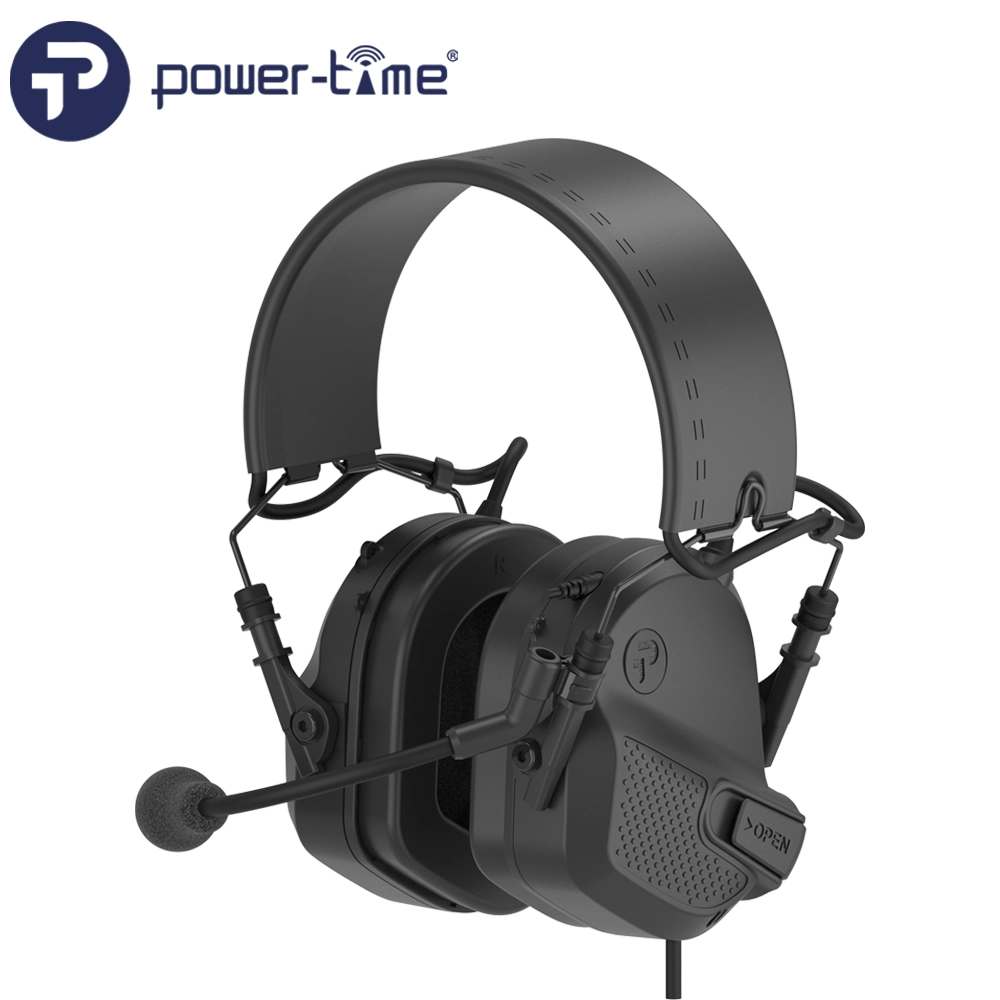
Advanced Noise-Canceling Tactical Headset with Binaural Communication The DF-11 Tactical Electronic Hearing Protection Headset seamlessly integrates binaural communication, hearing protection, and…
View product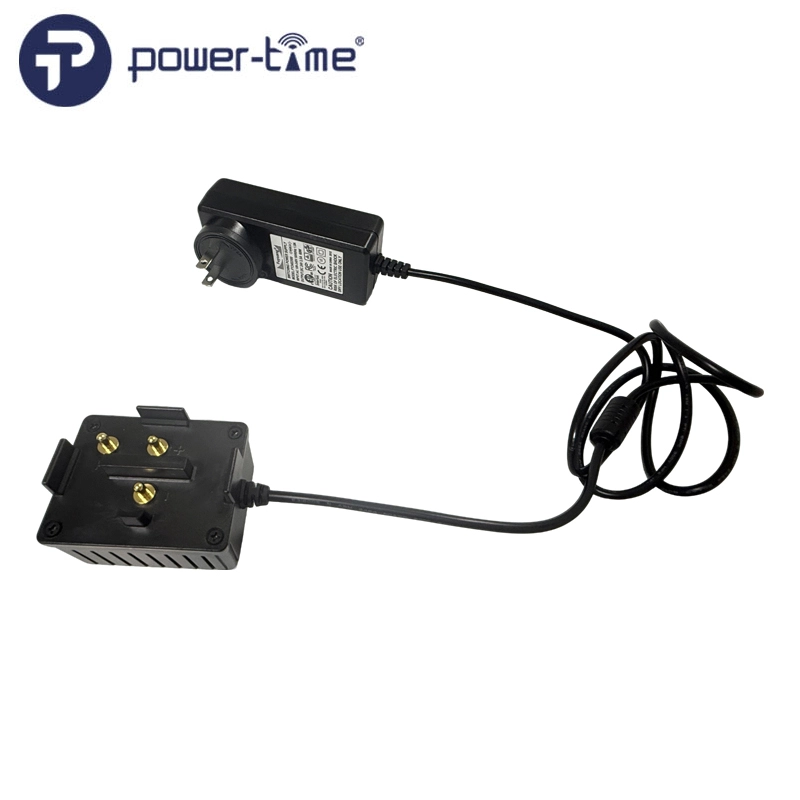
For industrial field operations, our military battery charger supports ALI-143 and ALI-243 units. Features smart cell-sensing for reliable lithium battery charger workflows. High-efficiency 3A output…
View productThe PTE-746 CVC helmet headset is the base unit the rest of the configuration is built around.
Bump-only fibreglass, ballistic V50 1400 fps and ballistic V50 2150 fps — the higher levels add fragmentation protection at a cost in weight and comfort.
The middle connectors are NEXUS AJ-107XL or AP-107XL, the end connectors are U-229/U 5-pin × 2, and the lower plug is AP-107XL; match them against the vehicle harness drawing.
MK-1697/G is the listed kit, with other optional kits available; the vehicle intercom decides the kit rather than personal preference.
Shells come in Small and Medium/Large, in black, green, olive drab, desert tan, gray and foliage green.
A requirement sheet: quantity, connector set, shell level, liner and padding choice, colour, communications kit and delivery point.
 +86 0755 88847855
 info@milpowertime.com
